Top 10 AI Marketing Apps & Benefits – Power of Artificial Intelligence
3 years agoMost Popular Name of Lakes in Nepal That Will Make You Amazed!
4 years ago -
Rich in nature and natural resources, Nepal is home to some of the most amazing and most popular name of lake in Nepal. The view is so spectacular that it will leave your jaw dropping.
Nepal is a highly diverse country with immense natural beauty. It has a huge natural beauty and possesses some of the most popular lakes in Nepal, which make numerous people visit from all across the world. Nepal is a god-gifted land with a large number of the most popular and beautiful lakes that amaze everyone’s amazed. Lakes in Nepal are one of the awe-inspiring attractions among travelers and bloggers nowadays.
There are altogether 5,358 lakes in Nepal, among which 2,323 are glacial lakes. Here’s a list of the top 10 most popular lakes in Nepal that you should consider visiting on your next trip to Nepal or Trekking in Nepal.
Top 10 Name of Lake in Nepal
1. Rara Lake
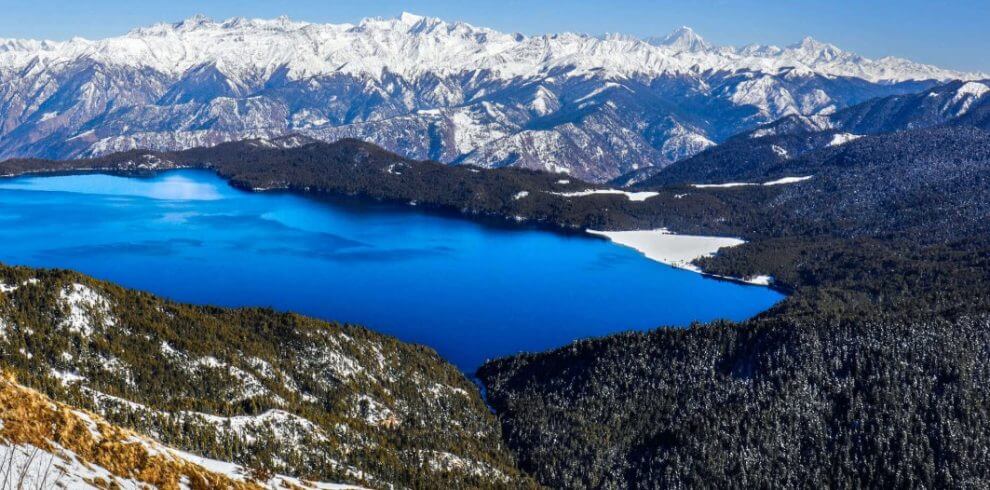
Situated at 2990 meters from sea level, covering an area of 6.11 sq. miles in the western reaches of Nepal, Rara Lake is the largest name of lake in Nepal. Rara Lake is the main attraction of Rara National Park, located in the Jumla and Mugu Districts. Rara Taal is the wetland of Nepal and was declared a Ramsar site in September 2007.
Unlike other lakes in Nepal, Rara offers you an unspoiled environment. The most amazing thing about this lake is its ability to change to seven different colors during the light of day. This peculiar phenomenon makes it a unique lake in Nepal. Furthermore, the lake is so large that it takes almost a whole day to go around it.
2. Shey Phoksundo Lake
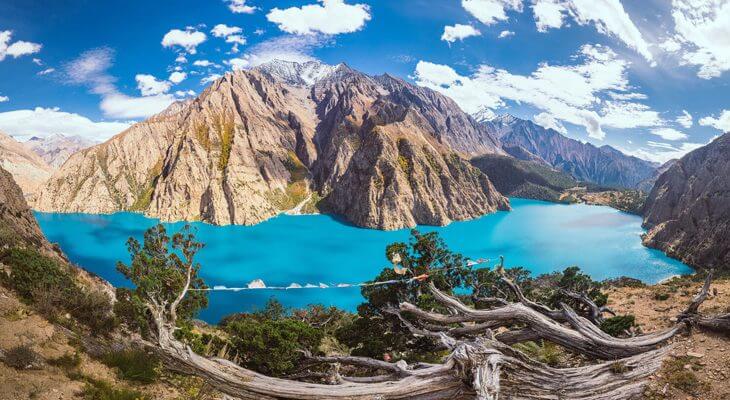
Located far to the west of Kathmandu valley, in the Dolpa district, Shey Phoksundo Lake is the deepest & most popular name of lake in Nepal, having a depth of 476 ft. It lies at an altitude of 3615 meters.
The trek to Phoksundo Lake follows an amazing trail through serene landscapes, beautiful forests, snowcapped mountains, and magnificent views. The lake itself is aesthetically pleasing. The pristine blue waters of Phoksundo sit within an alpine semi-arid landscape with patches of pine forest. Part of the Shey-Phoksundo National Park, Phoksundo Lake is a wetland with ecological importance, listed as a Ramsar site in 2007.
3. Tilicho Lake

Situated in the Manang District of Nepal, at an altitude of 4949 meters above sea level, Tilicho Lake holds the title of the World’s highest lake. Aquatic animals are not found on this lake. It even freezes at extremely cold temperatures. Annapurna Circuit trek is one of the world’s classic treks and is connected to Tilicho Lake. Technically, it does not fall on the typical Annapurna Circuit trek, but can be made a part of the trek.
Tilicho is separated from the Manang Valley while the trek to the Thorang La (on the main ABC circuit) forks away to the north. Although the high-altitude surrounding lacks vegetation, it’s what makes the lake magnificent. It falls inside the Annapurna Conservation Area and is the source of the river Marsyangdi.
4. Gosainkunda Lake
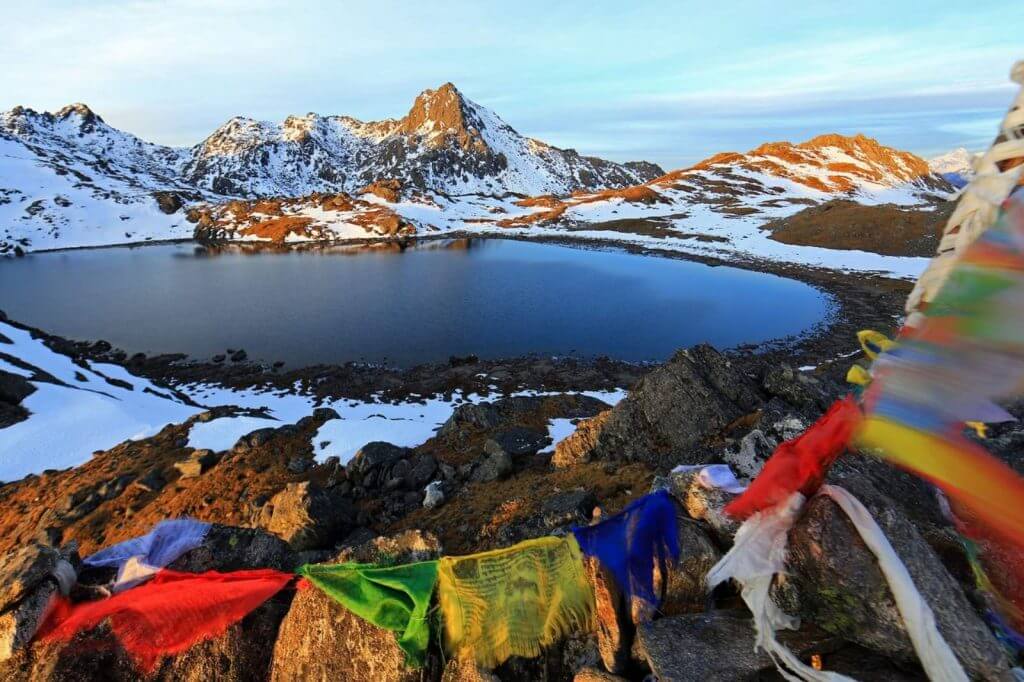
The lake with the most religious importance yet the most spectacular views, Gosaikunda Lake, is one of the most famous name of lake in Nepal. This lake is situated at an altitude of 4380 meters in the Rasuwa district, covering around 150 km to the north of Kathmandu. The lake holds religious importance and is a pilgrimage site during Janai Purnima. Although the lake remains frozen for a short time during winter, the name “Frozen Lake” is often used for Gosaikunda.
Gosaikunda is within the Langtang National Park & added to the Langtang Valley trek. It is an important wetland, and the region comprises over 108 lakes. A short trek of about an hour from Gosaikunda will take you to Suryakunda, Aama Kunda, and other small lakes with views of Ganesh Himal and Langtang Lirung. Moreover, Gosaikunda is the point of origin for one of the major river systems of Nepal Trishuli River.
5. Phewa Lake
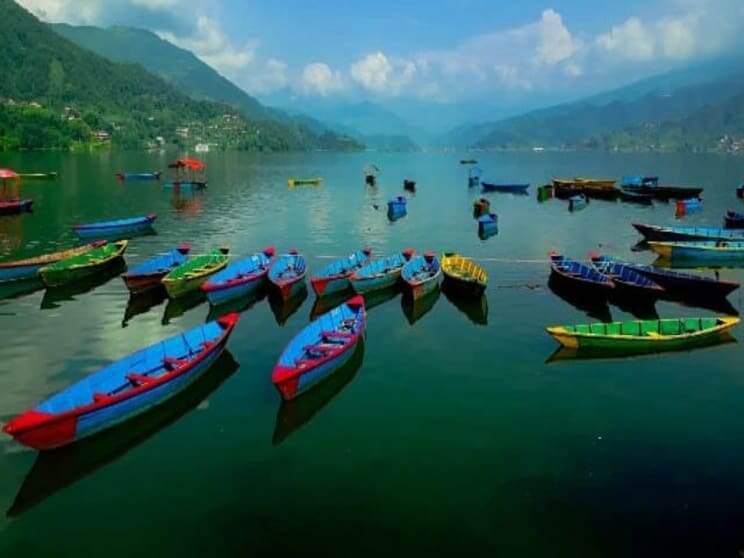
Phewa Lake is located in Pokhara, altitude of 2432 ft above sea level, covering an area of 5.23 sq. km. This lake is the second-largest name of lake in Nepal and the largest name of lake in the Pokhara valley. It has an average depth of about 8.6 m (28 ft).
Phewa Lake is one of the major attractions for both international as well as national travelers. There is a temple known as the Barahi temple in the middle of the lake. Many national visitors have great faith in the temple. Boating is a major attraction here. Besides that, you can even enjoy single-paddle boating, kayaking, and many other activities. You will get to see an awesome view of Mt. Machhapuchhre from Phewa Lake. Thus, it’s an amazing destination to chill out with your friends and family.
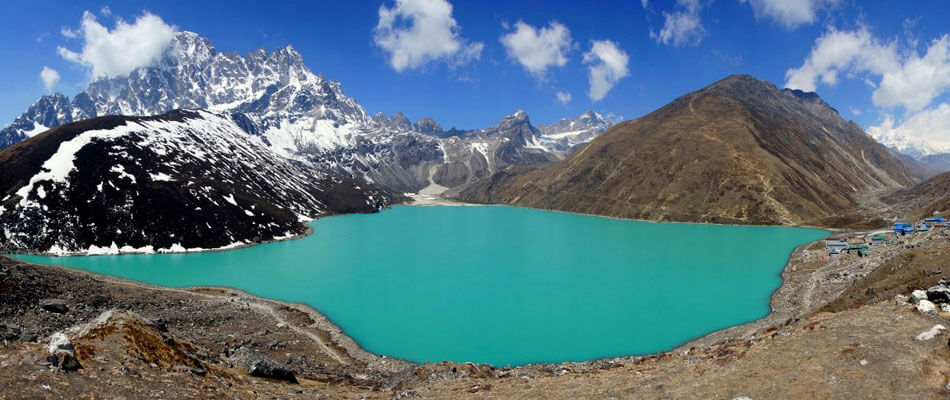
6. Gokyo Lake
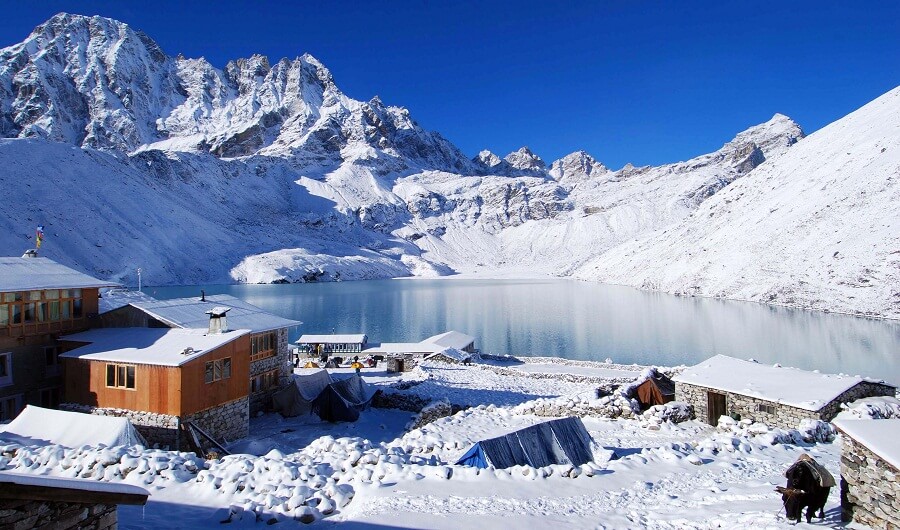
Located in the world-famous Everest Region, Gokyo Lake is one of the most popular name of in Nepal. This lake is 43m in depth and roughly oval-shaped viewed from the western side.
Gokyo Lake is Hindus and Buddhists considered sacred. According to Hindu mythology, the Gokyo Lake is the residence of Naga Devata- the Snake God. At the western corner of the Lake, there is a temple of Lord Vishnu and Lord Shiva. The complex geographical structure and elevation make this trek a tougher trek for a normal trekker.
Gokyo Lake is the highlight for trekkers who travel to the Everest region for the famous Everest-Gokyo Lake Trek. Lying in an ecologically unsafe and unstable zone. It is one of the most exciting and adventurous expeditions located 136 km away from the country’s capital.
7. Begnas Lake
Located in Pokhara, Lekhnath Metropolis of the Kaski district of Nepal, Begnas Lake is the best tourist attraction in western Nepal. The Begnas Lake is the third largest lake in Nepal and the second largest, after Phewa Lake, among the eight lakes in Pokhara Valley. The water level in the lake fluctuates seasonally due to rain and utilization for irrigation. In the above video, you can see a drone view of Begnas Lake.
It is away from the hectic rush of city life. It is quiet, clean, and tranquil. Bagnas Lake is home to a variety of birds that have come to Nepal during the time of bird migration. Water sports, typical Nepali western culture, and freshwater boating are the points of attraction of this place. It is one of the most popular lakes in Nepal.
8. Panchpokhari Lake
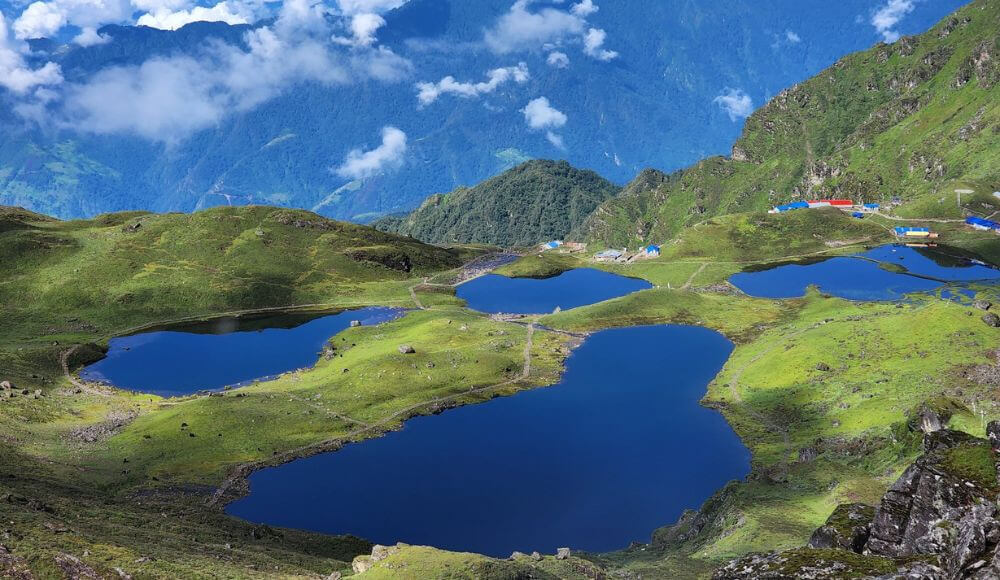
Panchpokhari is located at an altitude of 4100m above sea level and lies in Sindhupalchowk, Nepal, including Dorje Lhakpa(6966m), Madiya(6257m), and Phurbi Chhyachhu(6637m). It is a famous name of lake in Nepal, a consecrated pilgrimage site for Hindus & Buddhists during the month of July-August (Bhadra-Ekadashi to Janaipurnima) when the Hindu pilgrims take a dip in the holy water on the full moon day.
With the help of many travel companies or online services, trekkers can make it to Bhotang via bus ( 7-8 hours), which comprises 4 hours of smooth & 3 hours of a bumpy ride with 2 hours of walking to Panchpokhari. Helitours is also a lavish yet convenient channel to this wonder of nature.
9. Tsho Rolpo Lake
Tsho Rolpo is one of Nepal’s largest name of lake in nepal with glacial lakes, situated in the Dolakha district. This Lake has increased significantly in size over the last 50 years, as glacier ice has melted. It indeed is a significant threat to humankind and beautiful Mother Nature’s gifts. The Lake is set amidst Rolwaling valley between the Everest & Langtang ranges below the Gaurishanker range to Tibet’s south border.
Tsho Rolpa Lake navigates the alpine forests, dense glaciers, moraines, and secluded mountain villages in the high pastures, where travelers make their way to. The cultural significance of these areas is that are Sherpa ethnic groups offer travelers with surreal rural mountain cultural experience. The Lake boasts rich natural biodiversity and magnificent views of high-altitude peaks, giving travelers a real sense of traversing off Nepal’s beaten path.
10. Imja Tsho Lake
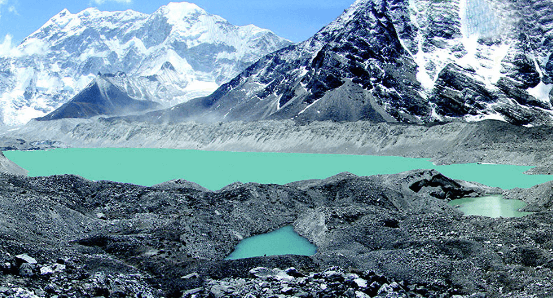
Imja Tsho Lake is a glacial lake formed by melting water that started to pool at the Imja Glacier’s foot and is considered the Himalayas’ fastest-growing and most popular lakes in Nepal. Located in Nepal’s Everest region, Imja Tsho occupies the northeastern part of the Dudh Koshi sub-basin. The Lake threatens downstream communities with the potential for a glacial outburst flood.
Imja Tsho Lake, located on the lower part of the glacier at the snout of its mother glaciers, the Imja and Lhotse Shar Glaciers, is rarely seen on the famous Everest Base Camp Trek with Island Peak. The Nepalese Army built an outlet and diverted over 4 million cubic meters of water from the Lake in 2016.
If you have set your mind on adventurous short hikes or treks in Nepal, then book your holiday package with Hiking Annapurna to experience the most beautiful lakes in Nepal. A trip to the Himalayan land would be a memory that recalls you for your whole life.

Popular Post



![[2026 Updated] Top 10 Digital Marketing Agencies in Nepal Ranked!](https://mysticrubs.com/wp-content/uploads/2022/05/top-10-digital-marketing-company-in-nepal.png)

What Are the Types of SEO in Digital Marketing?
3 years ago





100% Best FREE SEO TOOLS 2026 for SEO Ranking
5 years ago